Guide · · By James Carstairs
Living in the Philippines as an Entrepreneur / Expat
A practical guide to choosing a base, organizing daily life and keeping your business plans separate from assumptions about visas — before committing to a long-term move.
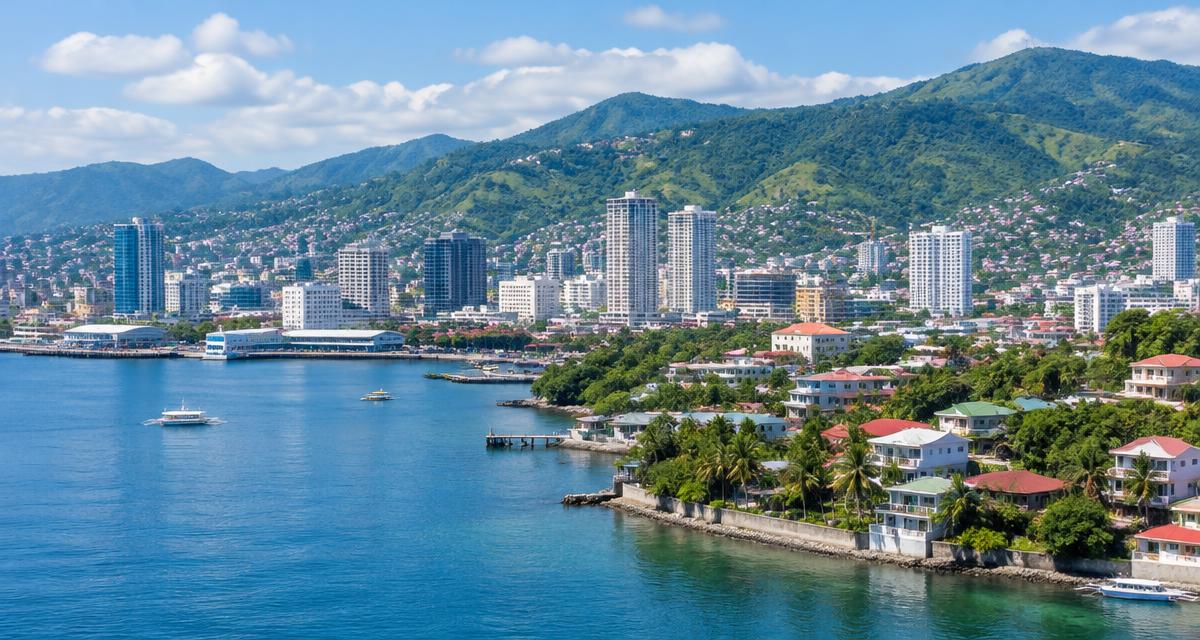
Choose a working life, not just a holiday destination
A place that feels perfect for a week’s holiday may be frustrating when you need reliable calls, specialist healthcare or daily access to customers. Decide what your normal Tuesday should look like before choosing where to live.
James’s work across Hong Kong and the Philippines connects entrepreneurship with practical local needs: MyPad Homes supports condo rentals, Panglao Realty focuses on property in Bohol and ExpatCare PH supports relocation and daily life. Those are useful lenses for a move, but every household needs its own budget and immigration advice.
1. Compare Manila, Cebu and Bohol
Metro Manila: close to business networks
Manila can suit founders who need frequent meetings with corporate clients, suppliers and professional advisers. Compare neighborhoods, not just cities: Makati, BGC and areas nearer your customers involve different housing and commuting trade-offs. Test the actual journey at the time you would travel; a short distance on a map is not a reliable commute estimate.
Cebu: an urban base with regional access
Cebu offers a mix of business services and access to other islands. Check where your office, school or hospital would be before signing a lease. Airport access, traffic and building-level internet quality matter more than a general promise that the city is convenient.
Bohol and Panglao: an island-oriented routine
Bohol may fit a lifestyle-led move or ventures related to property and tourism. In exchange, you may face fewer specialist services and more travel for certain appointments. Check transport after dark, backup power, wet-season access and the distance to a suitable hospital. Do not assume resort facilities represent what is available in every neighborhood.
Spend time in at least two candidate areas and work normal days there. A short initial rental gives you room to change your mind without a long lease or property commitment.
2. Build a budget from real quotations
There is no single honest monthly cost for “living in the Philippines.” A solo founder renting a small apartment and a family needing international schooling have very different budgets. Collect current quotes in Philippine pesos for your actual needs rather than treating an online estimate as a promise.
- Housing: rent, association dues, parking, furnishings and any utility deposits.
- Utilities: electricity with realistic air-conditioning use, water, fixed internet and mobile backup.
- Transport: regular journeys, airport trips and any vehicle costs or insurance.
- Daily spending: groceries, dining, household help and leisure.
- Healthcare: insurance, routine appointments, medication and emergency reserves.
- Administration: visa fees, professional advice, banking charges and required travel.
Separate one-off arrival costs from recurring living costs. Keep a personal contingency reserve as well as a business cash buffer, and account for exchange-rate changes if your income is in another currency. Recheck the budget after your first full month on the ground.
3. Resolve your immigration and work position early
Permission to enter or remain in the Philippines is not automatically permission to work or operate a business. Do not assume a tourist stay, repeated extensions or a retirement visa answers every employment question.
Ask the Bureau of Immigration and a qualified adviser which status suits your nationality, activities and intended length of stay. Where applicable, clarify employment permission and DOLE requirements as well. If you are considering retirement residency, the SRRV guide is a starting point, but confirm current eligibility and permitted activities directly with the Philippine Retirement Authority.
Immigration and tax residency are separate questions. Remote overseas income is not automatically tax-free because a client is abroad. Get advice covering Philippine obligations and any continuing obligations in your home country before restructuring your income.
4. Rent carefully before buying
View the unit, confirm the landlord’s authority to lease it and get the complete agreement in writing. Identify who pays association dues and repairs, how deposits are returned, whether guests or business use are permitted and what happens if you need to leave early.
- Test internet inside the unit, including upload speed during your working hours.
- Ask about generator coverage, water storage, flood history and building maintenance.
- Check noise, security and access at different times of day.
- Photograph the condition and agree an inventory before moving in.
Foreign ownership of land is generally restricted. Condominium purchases also have legal limits and project-specific checks. Never use a nominee arrangement as a shortcut; have an independent lawyer review title, ownership eligibility and any long-term lease before paying.
5. Plan healthcare before you need it
Identify the nearest appropriate hospital and a route to it. Confirm that your insurance actually covers long-term residence, pre-existing conditions, outpatient needs and medical evacuation if required. A travel policy may not suit a permanent move.
Ask your insurer about direct billing and keep accessible funds for deposits or reimbursement-based care. Bring prescriptions and discuss medication availability with a local clinician. If specialist treatment matters to you, it should influence your choice of base.
6. Set up the everyday essentials
Keep secure copies of your passport, visa records, lease and insurance details. Local bank onboarding requirements vary with the institution and your immigration status; check its current document list before visiting. Maintain a legitimate backup payment method while the account is being opened.
Local SIM registration requires identity information. Use an authorized provider and protect personal documents. For work, combine tested fixed internet with a separate mobile option rather than assuming one connection will always be available.
Save emergency contacts, monitor weather advice and build local relationships beyond service providers. Reliable daily life comes from routines and trustworthy contacts, not from having every detail sorted on day one.
A practical first-month checklist
- Confirm visa conditions, permitted work activities and relevant tax advice.
- Use a short-term base while testing neighborhoods and daily journeys.
- Obtain housing, insurance and connectivity quotations.
- Visit a suitable clinic or hospital and organize emergency contacts.
- Review your actual spending before committing to a longer lease.
Official checks and further reading
This guide is general planning information, not immigration, tax or medical advice. Check the Bureau of Immigration, Philippine Retirement Authority, Bureau of Internal Revenue and PAGASA for official requirements and advisories. For company setup, see the Philippines business guide.
Where to go next
How to hire and build a remote team in the Philippines →
Planning a team or a move to the Philippines? Get in touch to discuss your situation and the local support you need.